AI-generated images are becoming a powerful asset in the marketing toolbox.
These tools can help us produce bespoke imagery faster, at lower cost, and without the constraints of traditional photography or illustration. They enable greater agility in storytelling, campaign adaptation, and visual experimentation.
However, this innovation also comes with important risks. AI-generated images can unknowingly mimic real individuals, replicate copyrighted content, or include elements derived from datasets without proper licensing.
While AI accelerates image creation, manual review remains essential. Issues like distorted features, inconsistent lighting, unrealistic proportions, or unintended symbolism can undermine the final result.
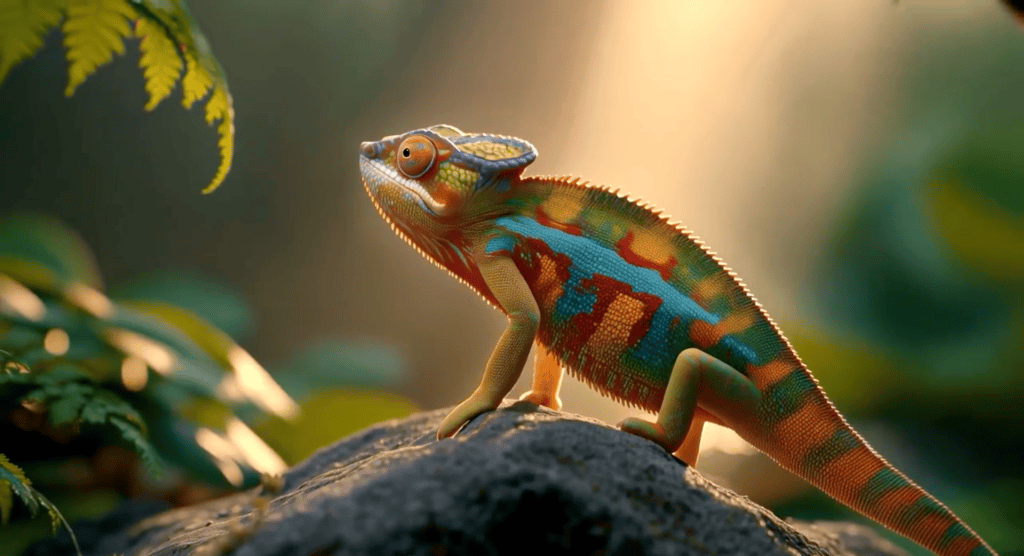
Examples of acceptable AI generated images
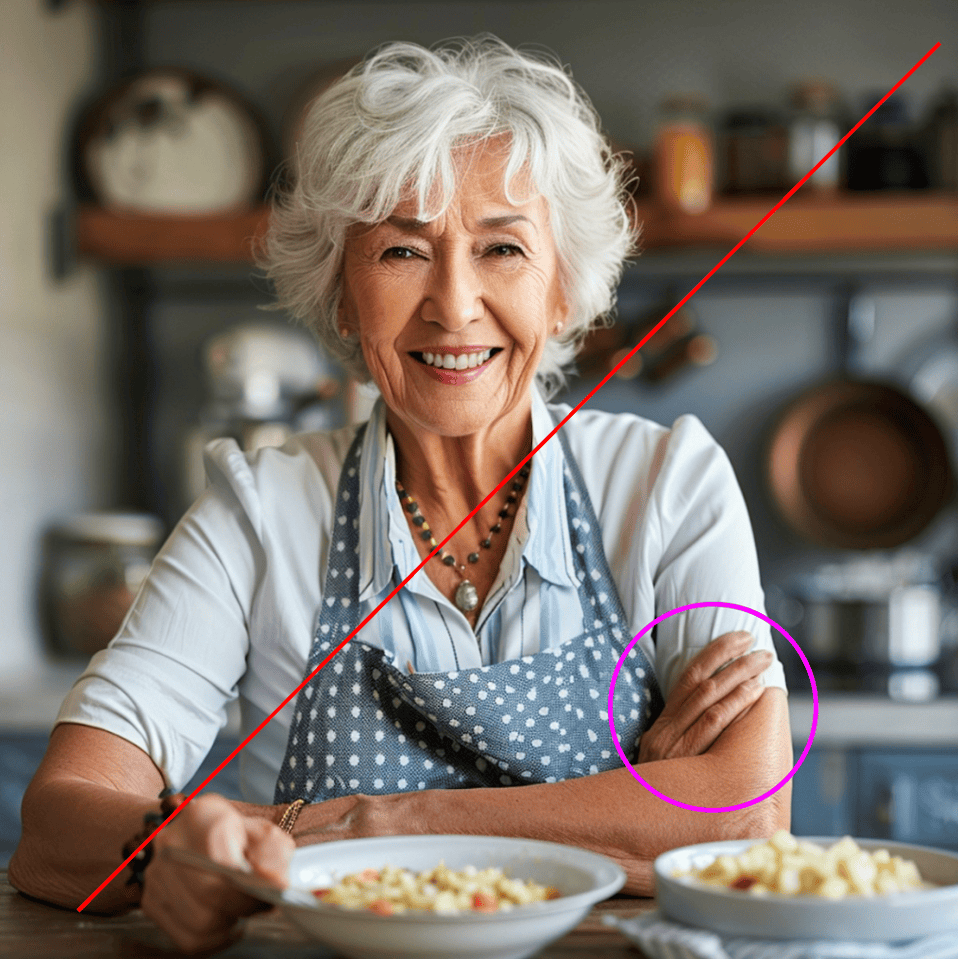
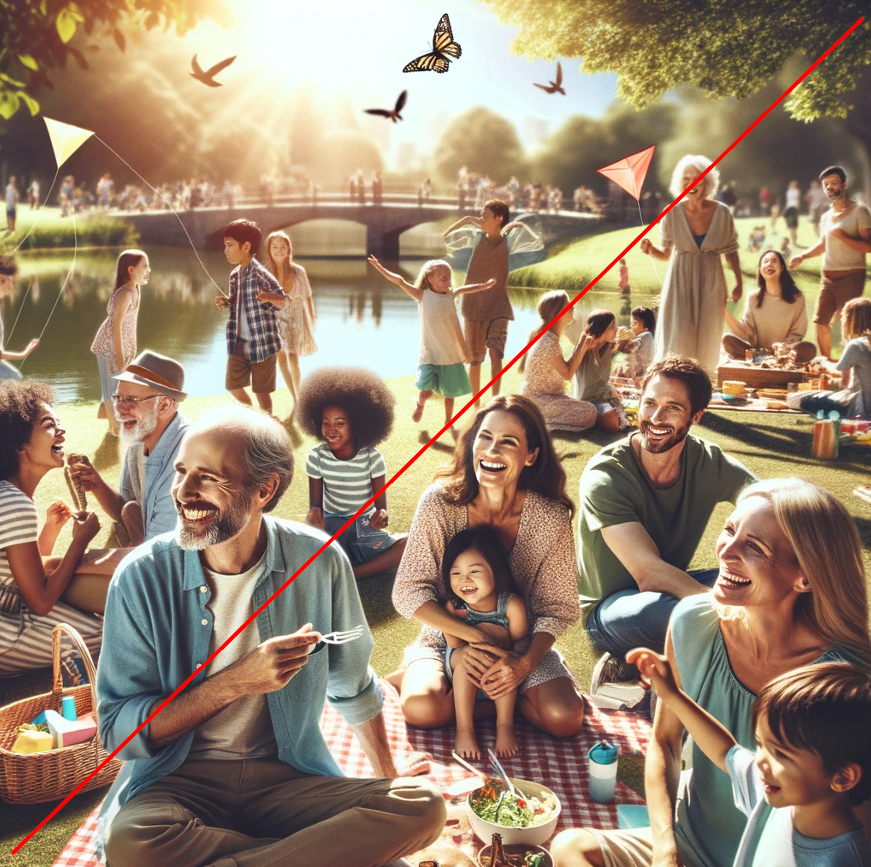
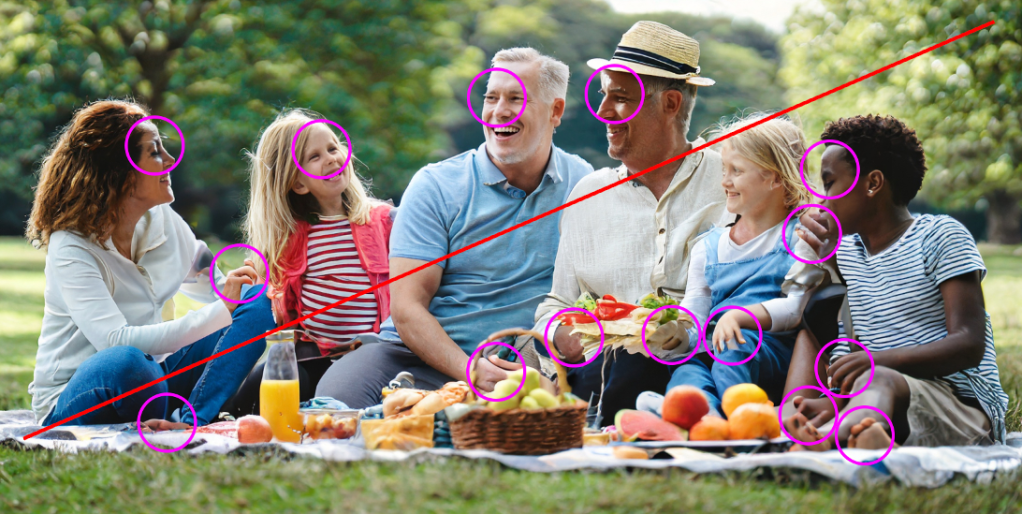
Examples of not approved AI generated images
Too many hands
Not realistic enough
Many render mistakes - especially hands & feet
Opportunities
One of the key benefits of using AI to generate images is creative flexibility. Explore bold concepts, prototypes, and iterations without production constraints. AI unlocks new creative directions and allow rapid experimentation.
Another strength is speed. Marketers can produce compelling visuals on demand, without relying on lengthy photoshoot planning or sourcing stock images, which accelerates campaign timelines.
AI-generated images are also cost-efficient. Creating custom visuals in-house or through agencies can be expensive—especially for concepts requiring high production value. AI tools offer a scalable, budget-friendly alternative for creating high-quality visuals.
AI also enables personalization at scale. You can test multiple variations of a visual to tailor content to different audience segments or platforms—something traditionally time-consuming and costly.
Challenges
For complex image traditional shoots can be a better choice to meet your expectations and remain efficient.
There are also brand consistency risks. If prompts are vague or unchecked, AI-generated visuals may deviate from established visual identity guidelines in terms of style, tone, or color palette.
Another challenge is editability. AI-generated images are usually created as one single integrated composition. It might be inconsistent in quality with unnatural details. It can make it difficult to adjust or rework specific areas without altering other parts.
Finally, legal and ethical risks must be managed. Without proper legal clarity, potential copyright, trademark, or likeness infringements can happen. Usage rights may also not be clearly defined.
Always make sure that final output aligns with the brand’s tone of voice and values. Note: maintaining cultural sensitivity and avoiding offensive gestures or religious symbols, etc. as AI may not fully recognize local customs and norms.