This guide was designed with three key things in mind:
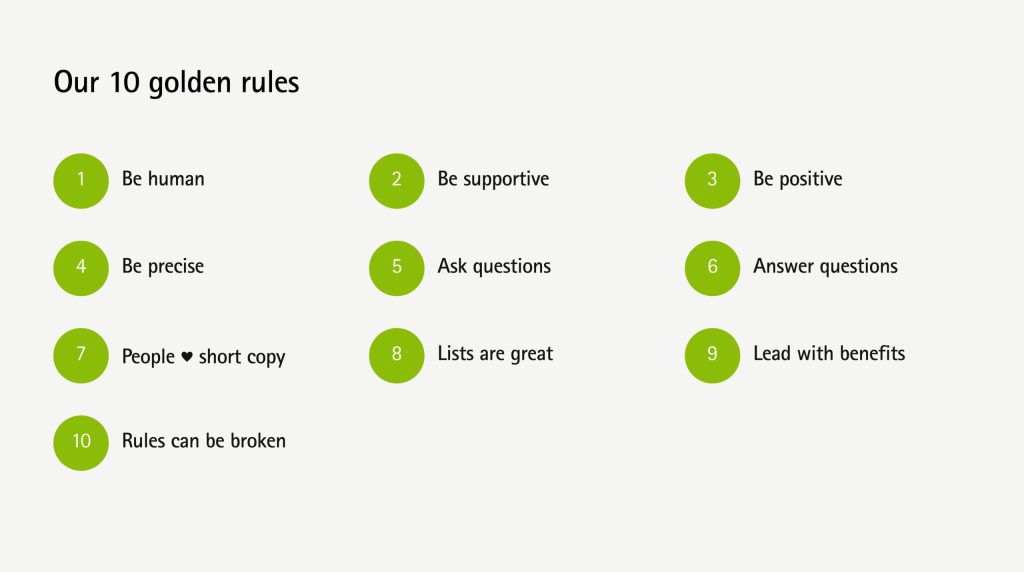
To show how our “10 golden rules for copywriting” (originally written for the whole brand) apply to social media channels.
To offer concrete examples on the kind of copy we should be using, across various scenarios and channels.
Show areas where current writing could be improved in order to be more aligned with the new branding direction.
A note on BtB copy
Those posts on our Facebook and LinkedIn channels that are aimed towards hearing care partners can be a little more professional – but they still need to be human and approachable. We are talking to specialists – but remember that they’re people too, who like to be talked to in a friendly, knowledgeable, and supportive way.
The five core posting themes / topics
Topic 1. Tech announcement & information e.g. telling the world about a new or improved product, offering use cases and information about a product.
Topic 2. Consumer engagement e.g. asking questions, prompting audience to respond and share thoughts, and responding to comments.
Topic 3. Link to articles / video / blog on Phonak e.g. sharing articles, interviews and other content created by Phonak themselves.
Topic 4. Award win / press / wider audiology world e.g. sharing successes and press coverage, as well as stories from the world of audiology and hearing healthcare.
Topic 5. Seasonal / charity / miscellaneous e.g. Hallowe’en posts, stories about charitable partnerships, international hearing-based months.
Rule#1
Above all else: be human
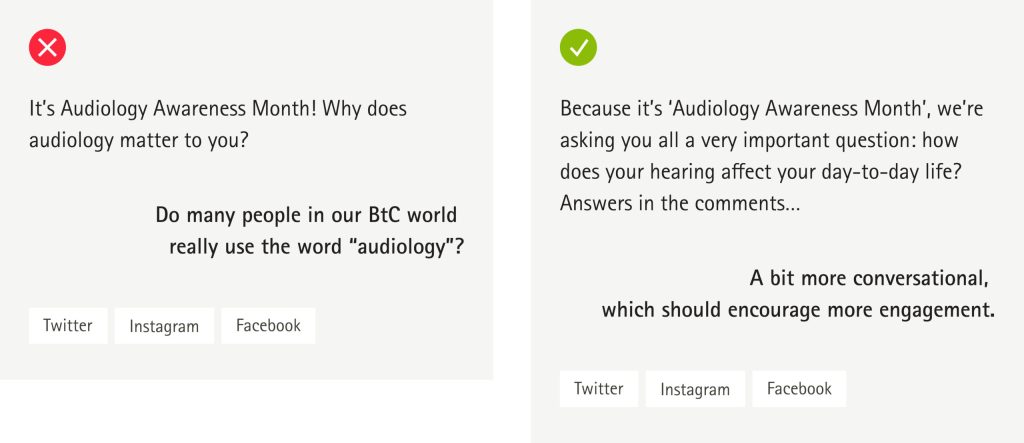
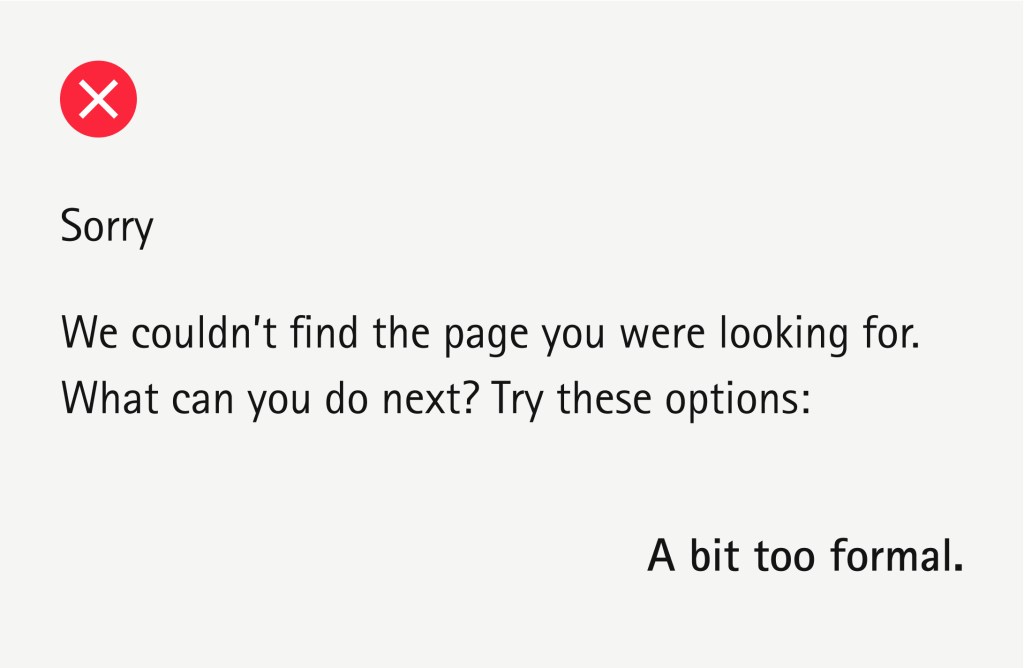
We are human. And we’re speaking to other humans. So that’s how we have to write, always. We don’t speak (or shout) at people. And we don’t create sentences that read like they’ve been plucked from a technical paper.
The key test for this is always: read it out loud. How does it sound, to you, a human? Can you imagine a friend or colleague sitting and listening and wanting to know more? Or do you think they’d have fallen asleep from boredom?
BtC example Topic: 5. Seasonal / charity / miscellaneous
BtB example Topic: 4. Award win / press / wider audiology world
Rule#2
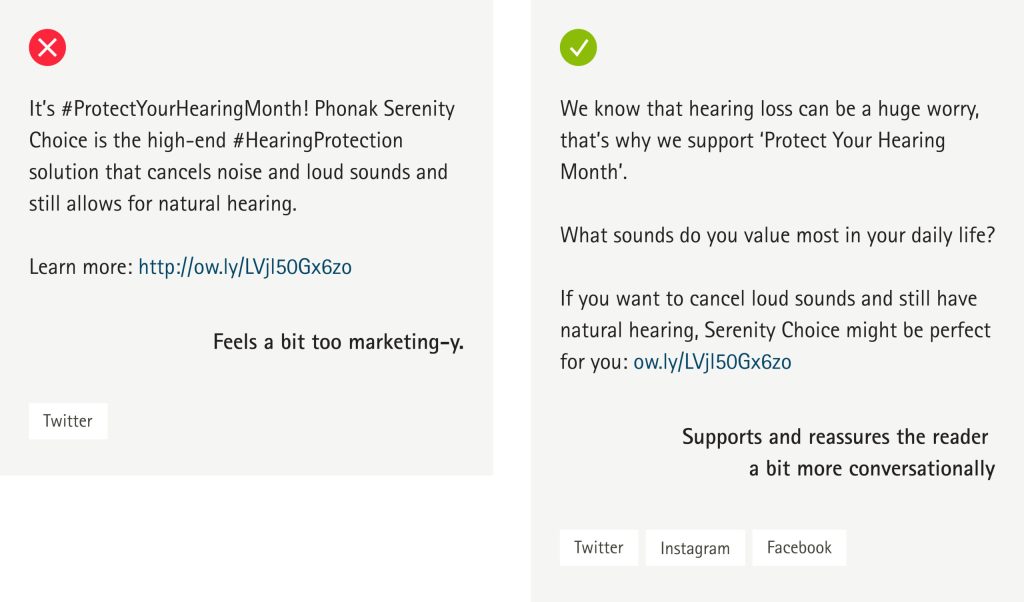
Be supportive
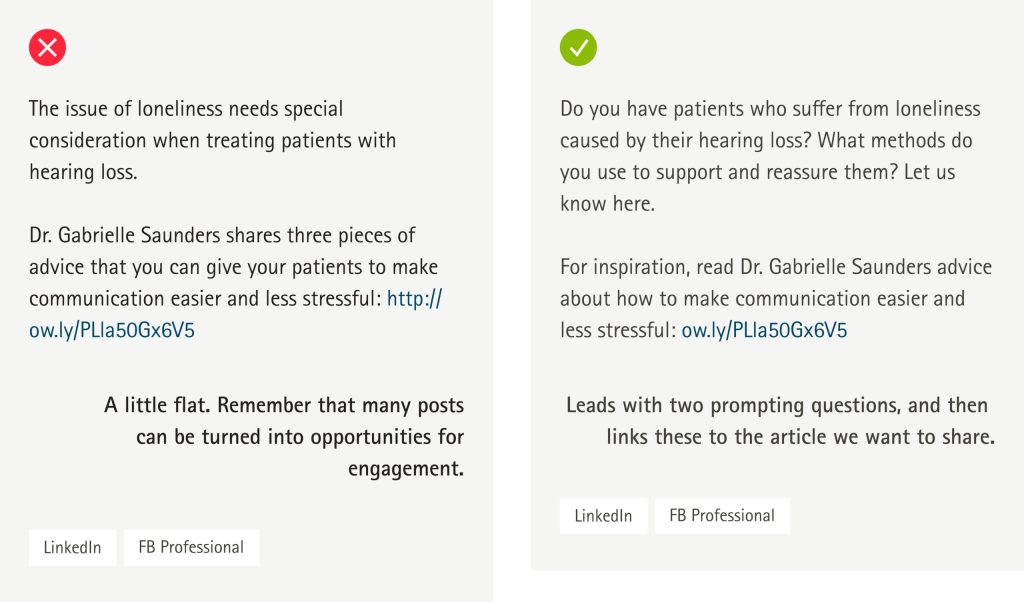
This is probably a worrying time for many people. So we should guide and reassure them along every step of the the way. Think of it as if you’re right there in the room with them as they’re reading.
We should use phrases and words such as:
We understand We’re here to help Don’t worry You’ll soon be thriving again
BtC example Topic: 2. Consumer engagement
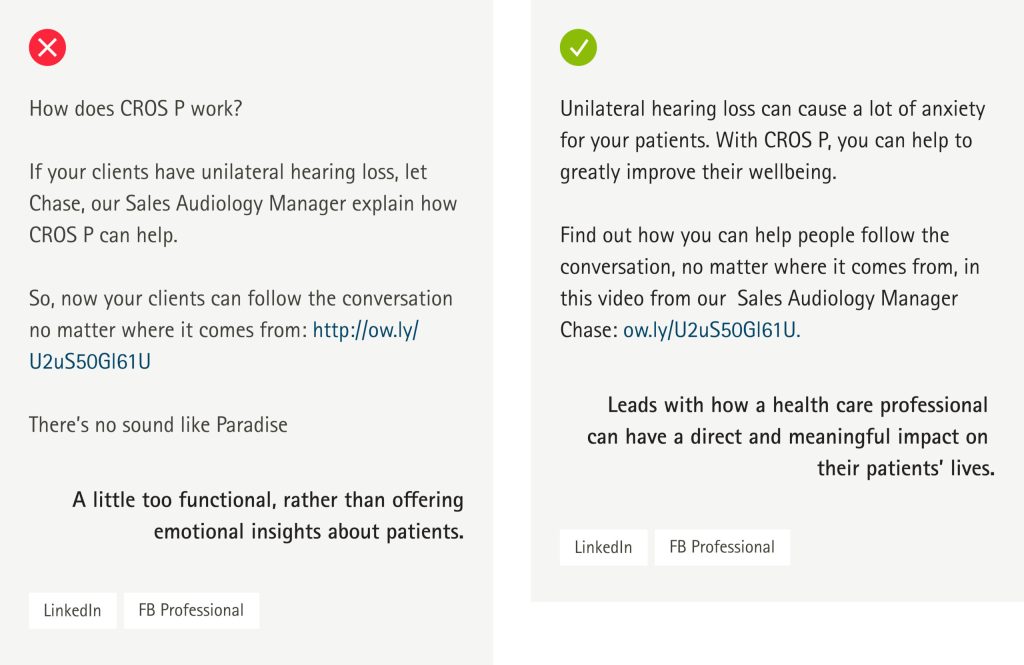
BtB example Topic: 3. Link to articles / video / blog on Phonak
For B2B audiences, we make it clear how our technologies will allow them to be supportive to their patients.
Rule#3
Be positive
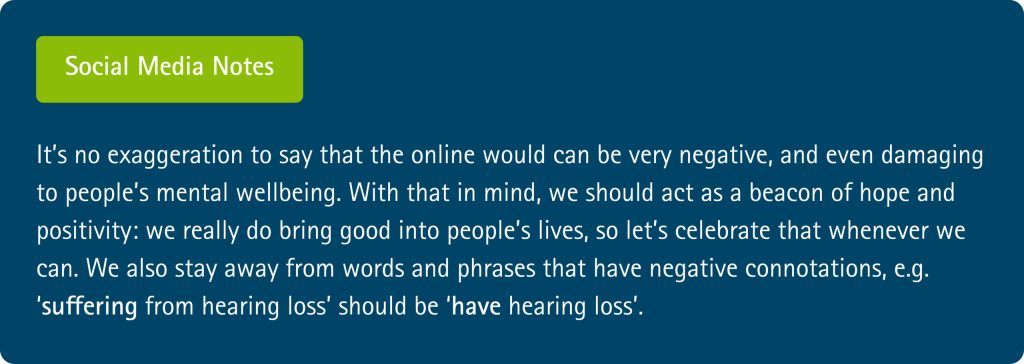
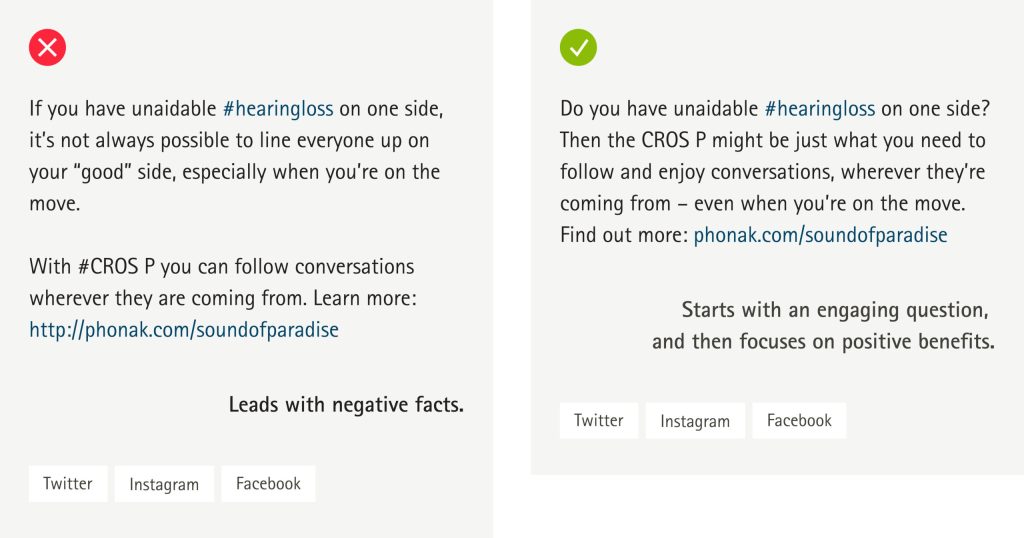
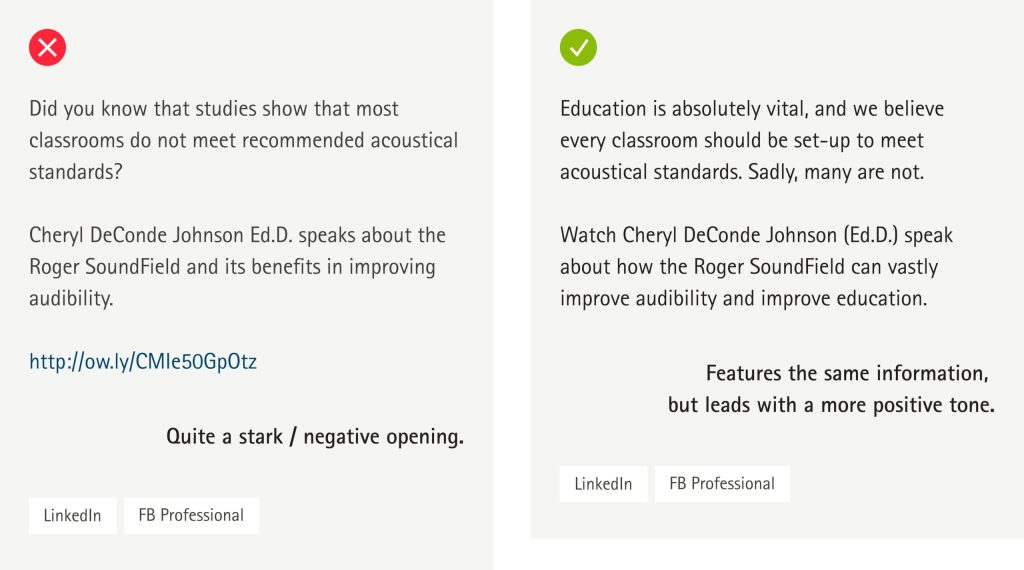
It can be tempting to focus on the negative aspects of hearing loss, because it can feel like this might prompt people to action. But it creates a very negative experience, and might drive people away from our digital spaces.
By focusing – as much as possible – on the positive side of things, we create an environment that people will trust, feel reassured by, and want to spend more time in.
BtC example Topic: 1. Tech announcement & Information
BtB example Topic: 3. Link to articles / video / blog on Phonak
Rule#4
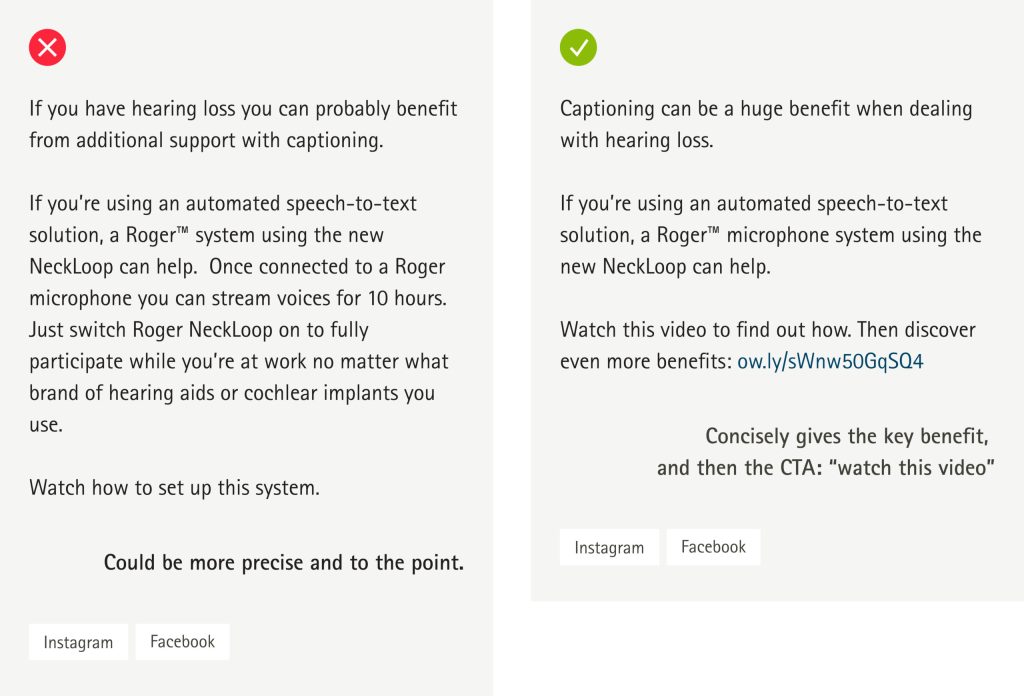
Be precise
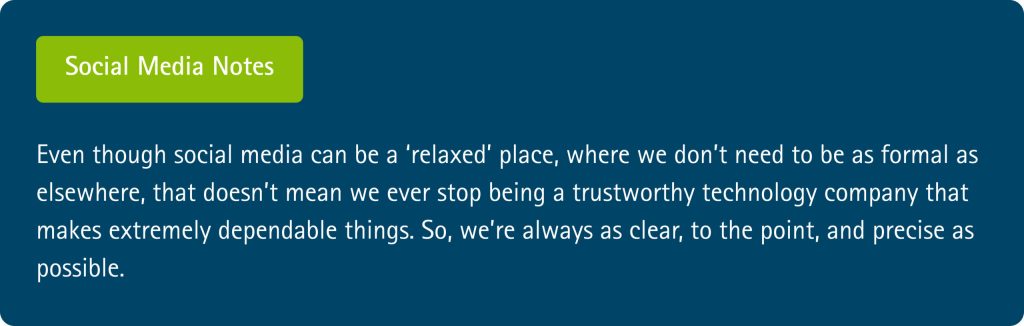
The ear can be thought of as a fantastically precise instrument. And so are our technologies. So we should reflect this in our copy in digital spaces. It’s also very reassuring to read precise copy: it makes people believe that we really understand what they need.
BtC example Topic: 1. Tech announcement & Information
BtB example Topic: 1. Tech announcement & information
*The quote here is invented for this guide, in order to show the kind of precision and simplicity we need in our posts.
Rule#5
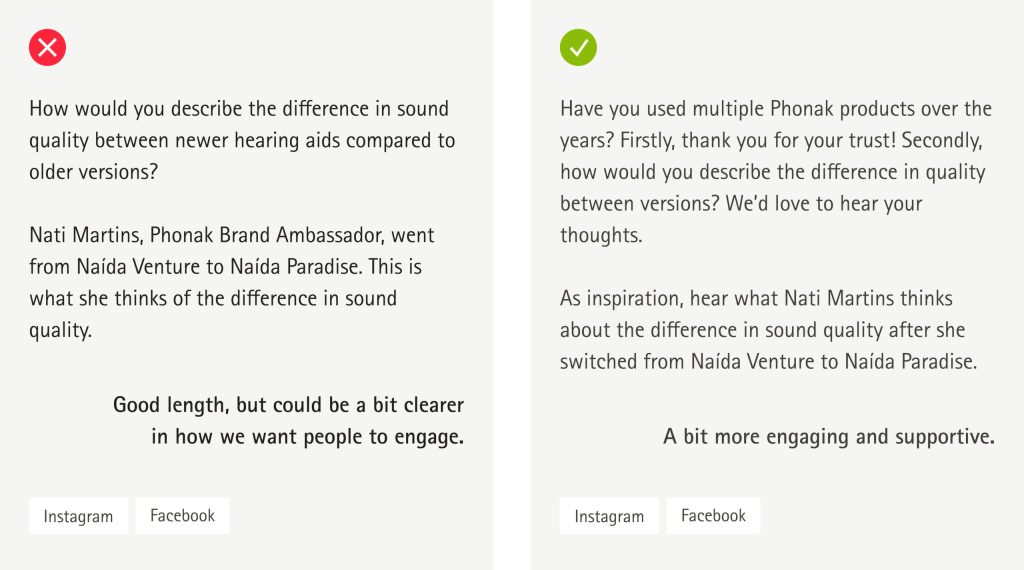
Ask questions
Questions are great? They are! They help grab attention, fast. And are also a great way to make copy feel more like a conversation.
BtC example Topic: 2. Consumer engagement
BtB example Topic: 2. Consumer engagement
Rule#6
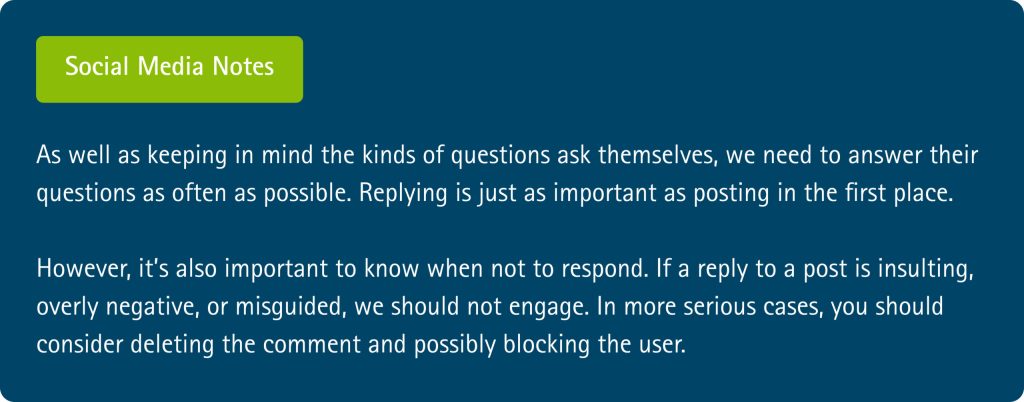
Answer questions
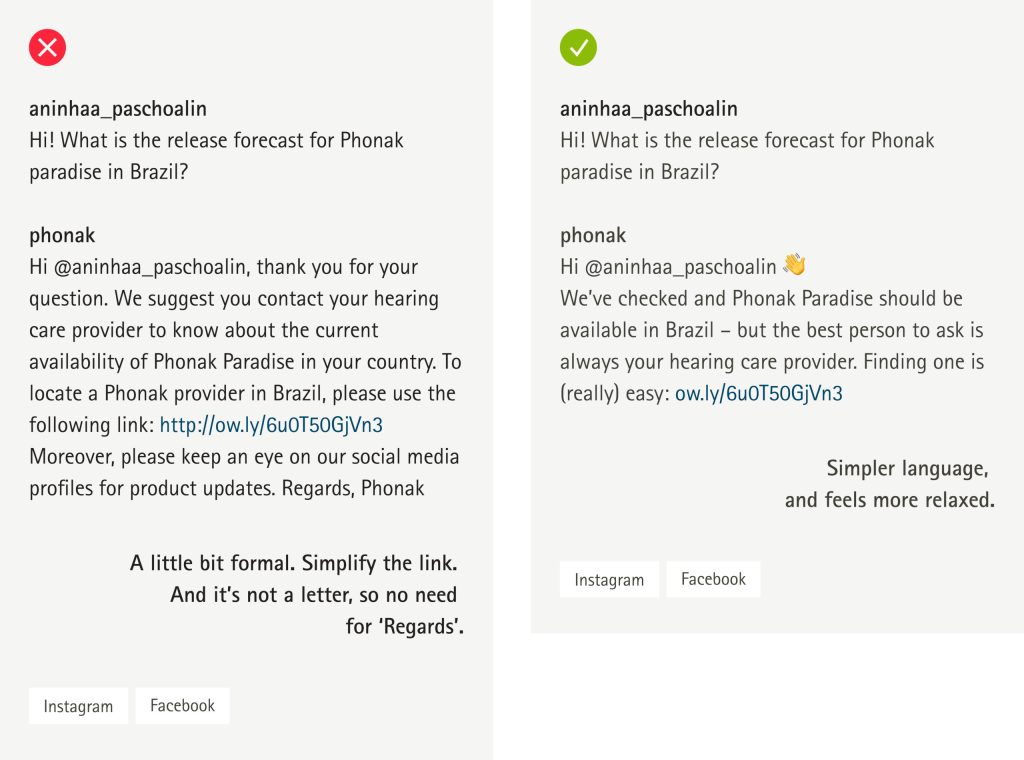
We should always be aware that readers are always asking themselves questions when they read our copy. They’re aware that we’re a business, trying to make a profit, and they’ll be naturally cautious when reading. So, we should anticipate and address questions wherever we can.
Questions people commonly ask themselves when reading marketing and related copy include:
Why are you asking for my email address? Will you overload my inbox with spam? Can I opt out at any point? Who are you going to share my data with? Is this technology really as good as you’re saying? Am I really going to experience these benefits?
BtC example Topic: 2. Consumer engagement
Rule#7
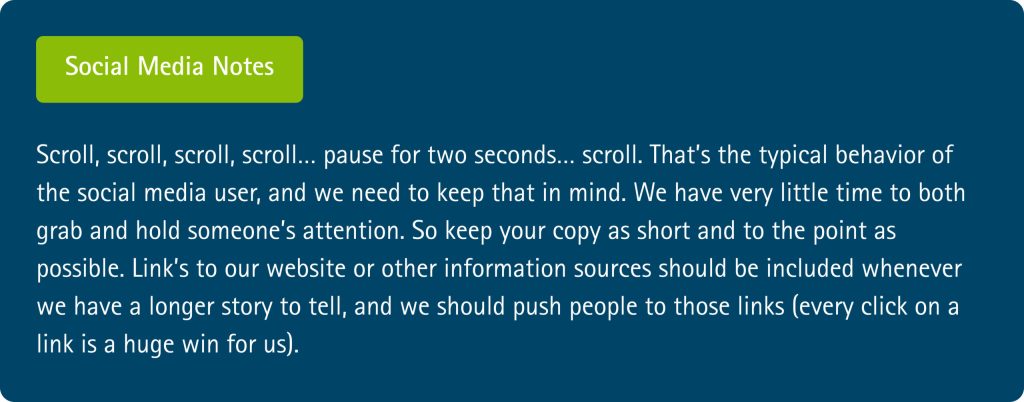
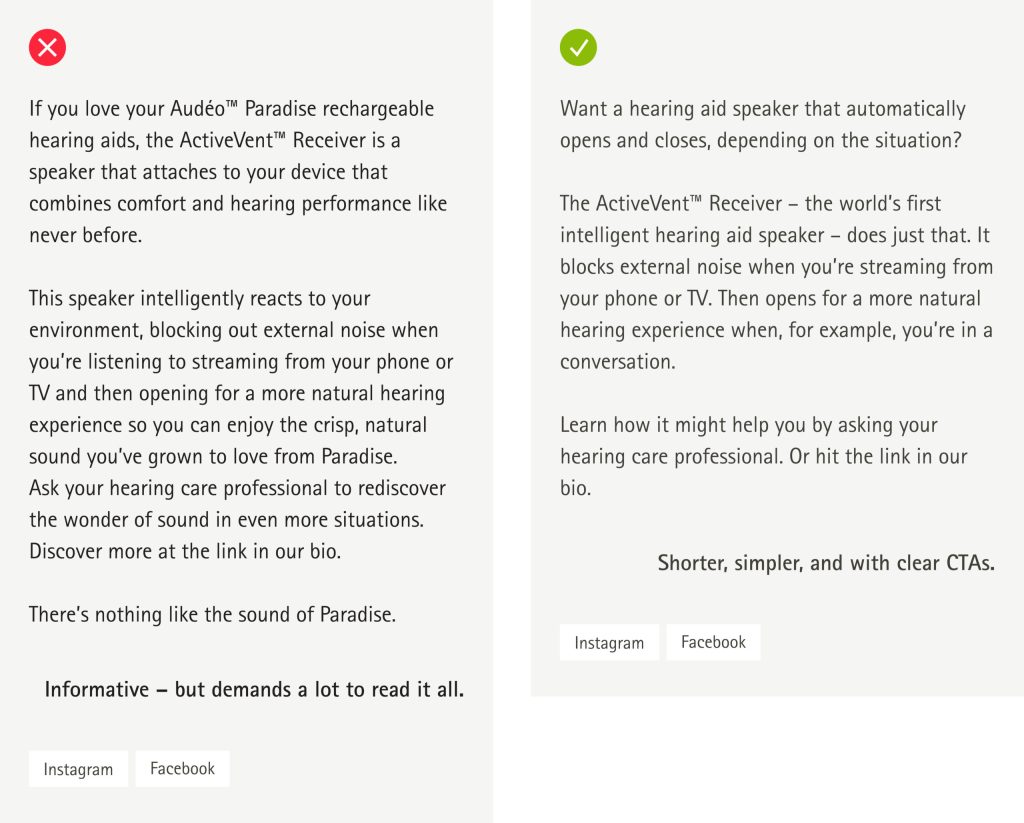
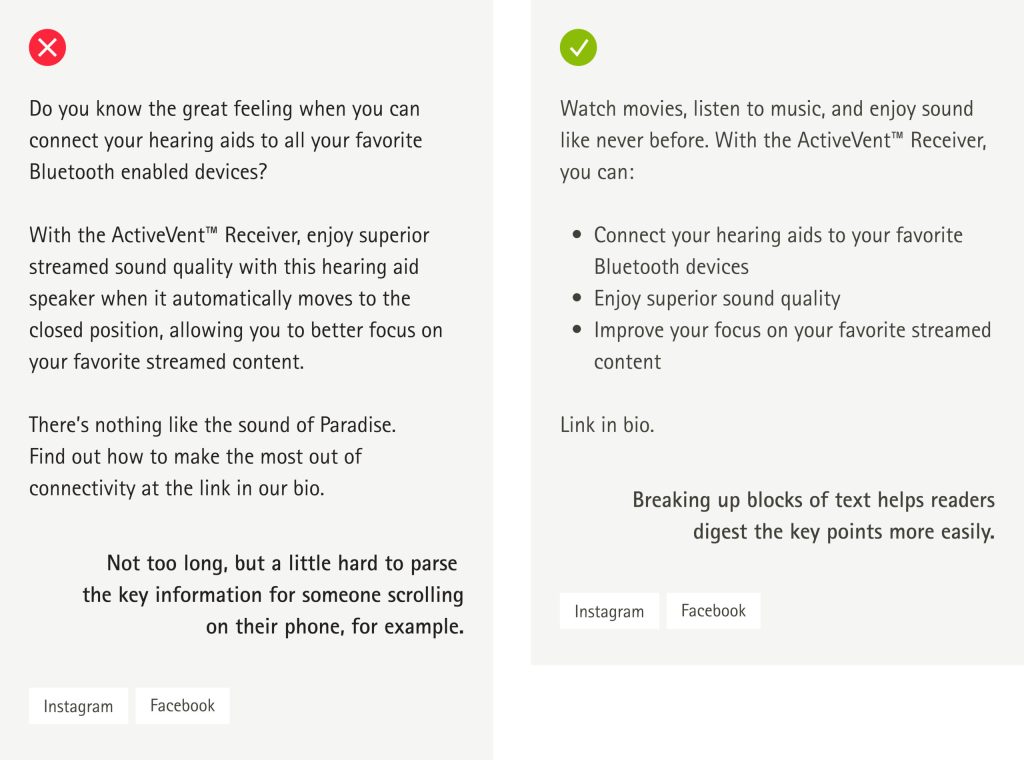
People ♥ short copy
Shorter sentences are easier to digest. And shorter blocks of copy are more inviting, so will be read by more people. The longer a page or section of copy, the more we risk making a reader feel overwhelmed or anxious – or at the very least, bored.
We always have to think: “What’s the number one thing we want people to think, feel, or do on this page?” We need lazer focus, and absolute precision, everywhere.
BtC example Topic: 1. Tech announcement & information
BtB example Topic: 1. Tech announcement & information
Rule#8
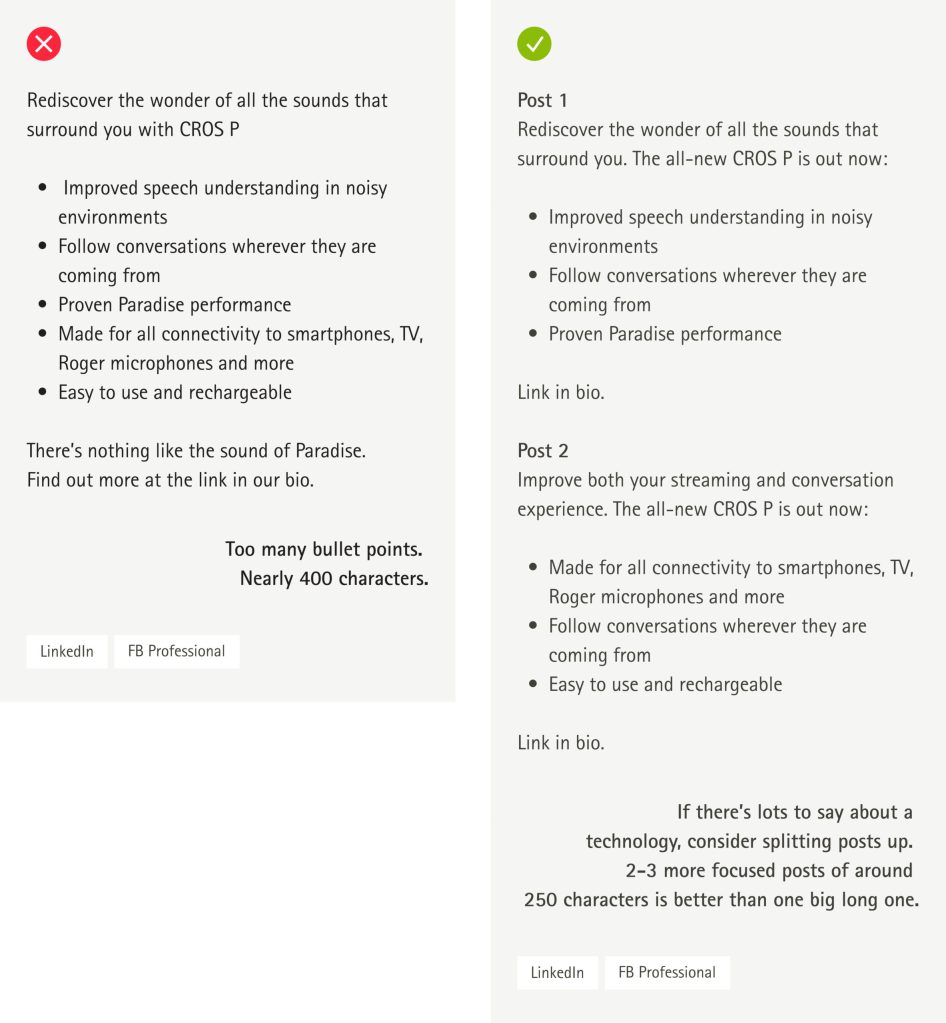
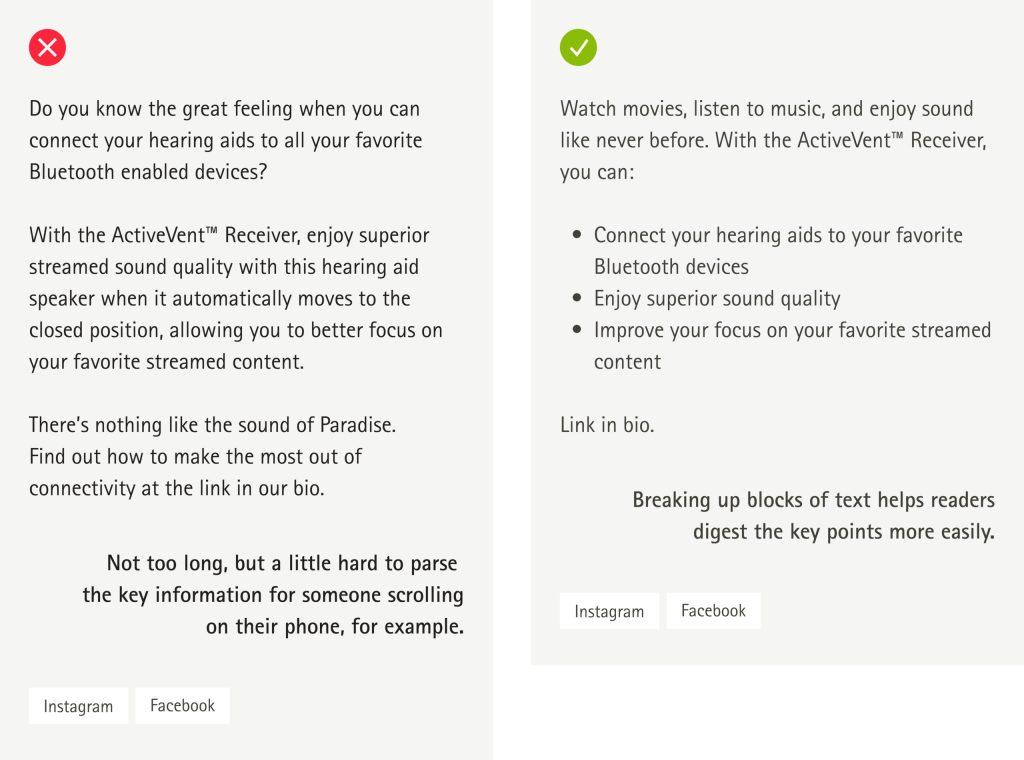
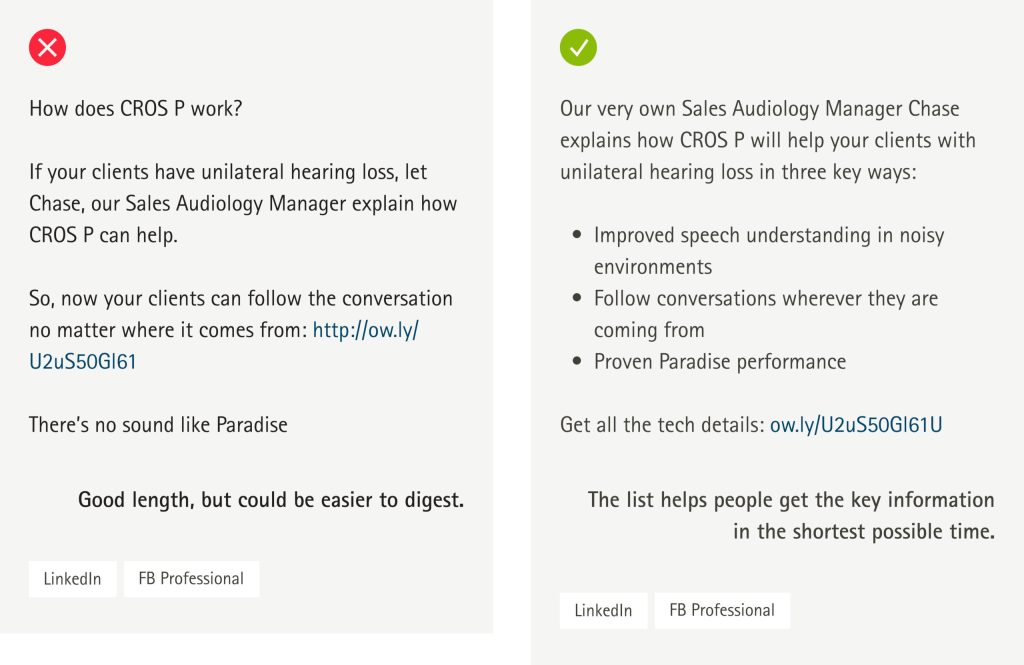
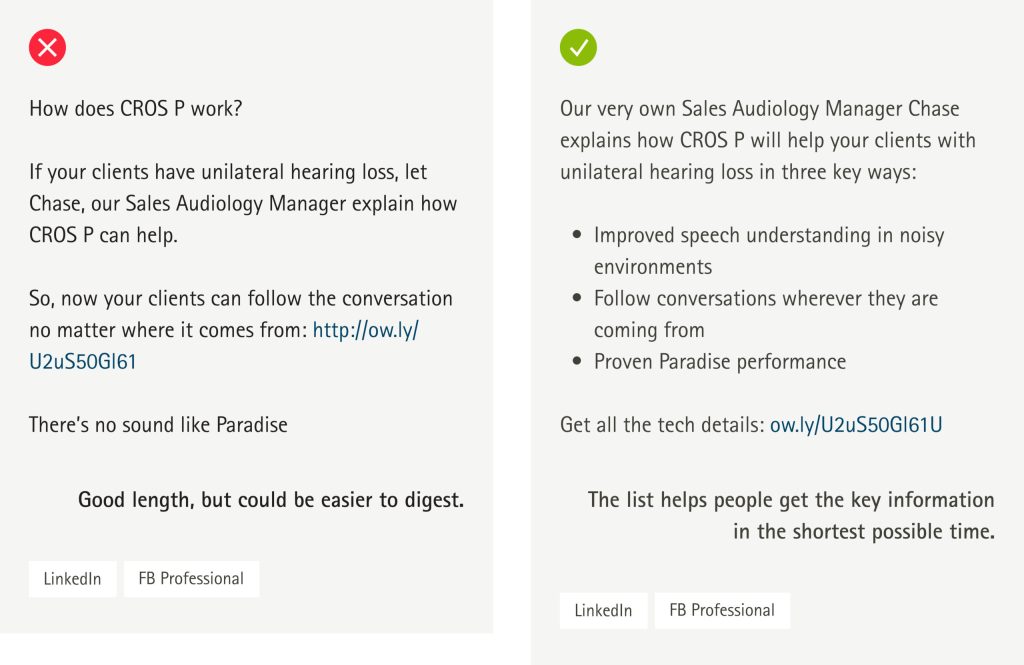
Lists are great
Most people don’t so much read as scan web pages. Lists help them to:
Slow down and pay attention to what’s most important
Understand exactly what a page is all about
Remember key facts or details later
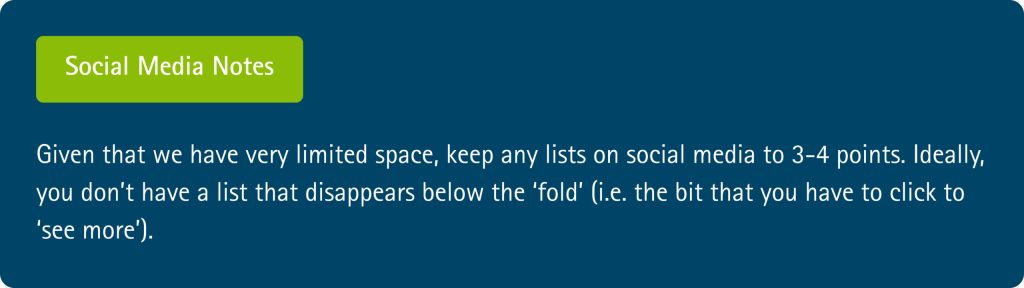
(One important thing to remember: lists should be as short as possible. A list that’s too long will be just as overwhelming as a complicated paragraph.)
BtC example Topic: 1. Tech announcement & information
BtB example Topic: 1. Tech announcement & information
Rule#9
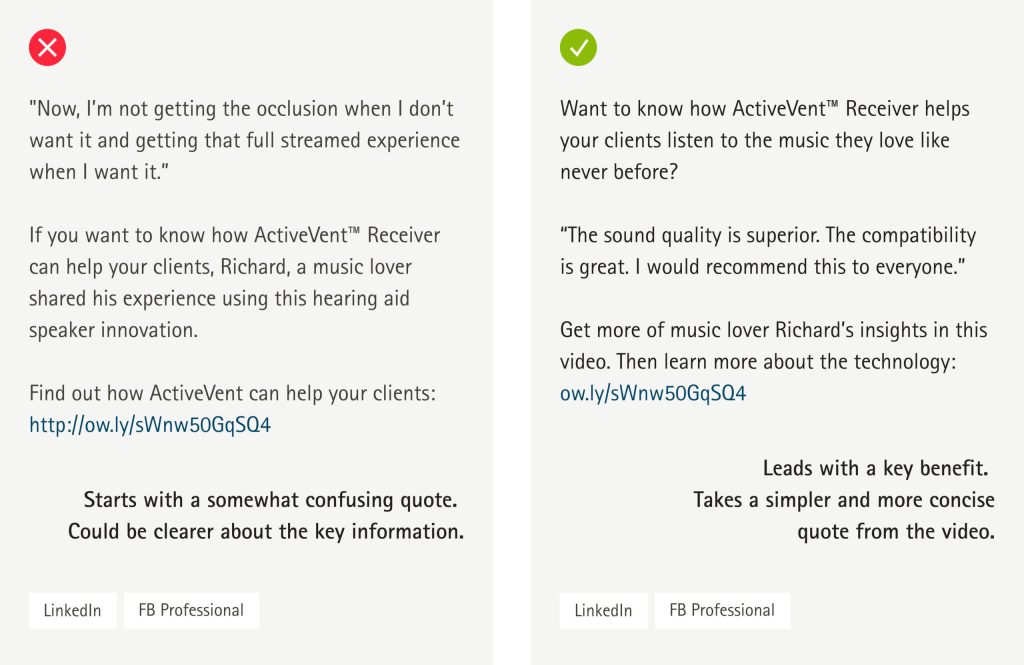
Lead with benefits
People are here because they want something. They want to hear their grandkids better, to follow conversations more easily, to change their whole life… But these days, they don’t always have lots of time or attention to give.
So we should make sure that key benefits are given right at the start of a paragraph, section, or even a sentence. That means, for example, we don’t start by explaining what someone should do. Instead, start with why they should do it. Then tell them how.
BtC example Topic: 1. Tech announcement & information
BtB example Topic: 1. Tech announcement & information
Rule#10
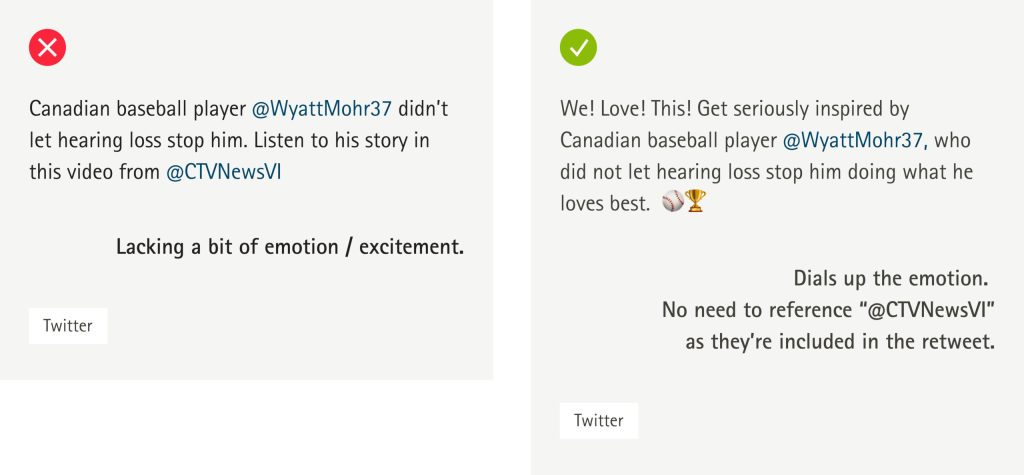
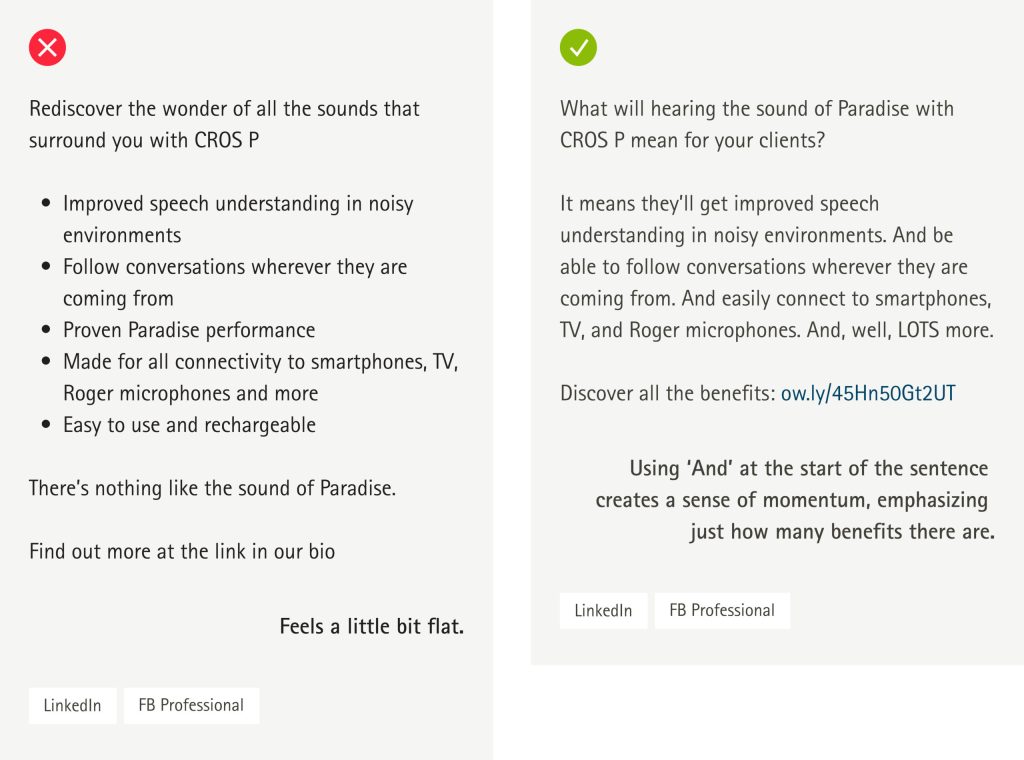
Rules can be broken
Although grammar rules are important, language isn’t a science. Especially when it comes to sounding natural and conversational.
So feel free to start sentences with “and” or “but”. And to choose to use the Oxford (serial) comma when it’s useful to do so. And to end sentences with prepositions. Even use slang, here and there, if it’s natural, friendly, and welcoming to do so.
BtC example Topic: 5. Seasonal / charity / miscellaneous
Retweet of video on Twitter
BtB example Topic: 1. Tech announcement & information